

Introduction
In recent years, the global animal feed and agricultural sectors have witnessed a surge in demand for high-protein, sustainable, and cost-effective ingredients. Among these, blood meal—a protein-rich by-product derived from animal blood—has emerged as a critical component in livestock, aquaculture, and pet nutrition formulations. As environmental regulations tighten and circular economy principles gain traction, the blood meal production line has evolved from a rudimentary rendering process into a sophisticated, automated, and eco-conscious industrial system. This report explores the current state of the blood meal industry, with a focus on technological advancements in chicken blood meal plants, bovine blood meal processing equipment, and integrated animal blood drying systems.
1. What Is Blood Meal and Why Does It Matter?
Blood meal is produced by drying and grinding coagulated animal blood, typically sourced from slaughterhouses. It contains 80–90% crude protein, rich in lysine and other essential amino acids, making it one of the most concentrated natural protein sources available for animal feed. Its high nitrogen content also makes it a valuable organic fertilizer in agriculture.
The industry’s growth is driven by:
- Waste valorization: Transforming slaughterhouse by-products into valuable resources.
- Sustainability demands: Reducing reliance on synthetic feed additives.
- Nutritional benefits: Enhancing animal growth rates and immune function.
2. Blood Meal Production Process Overview
A modern blood meal processing plant integrates advanced machinery and hygiene protocols to ensure product quality and safety. The process typically includes the following stages:
2.1 Blood Collection and Storage
Blood is collected immediately post-slaughter to prevent bacterial contamination. Animal blood drying systems often begin with refrigerated storage tanks to preserve freshness.
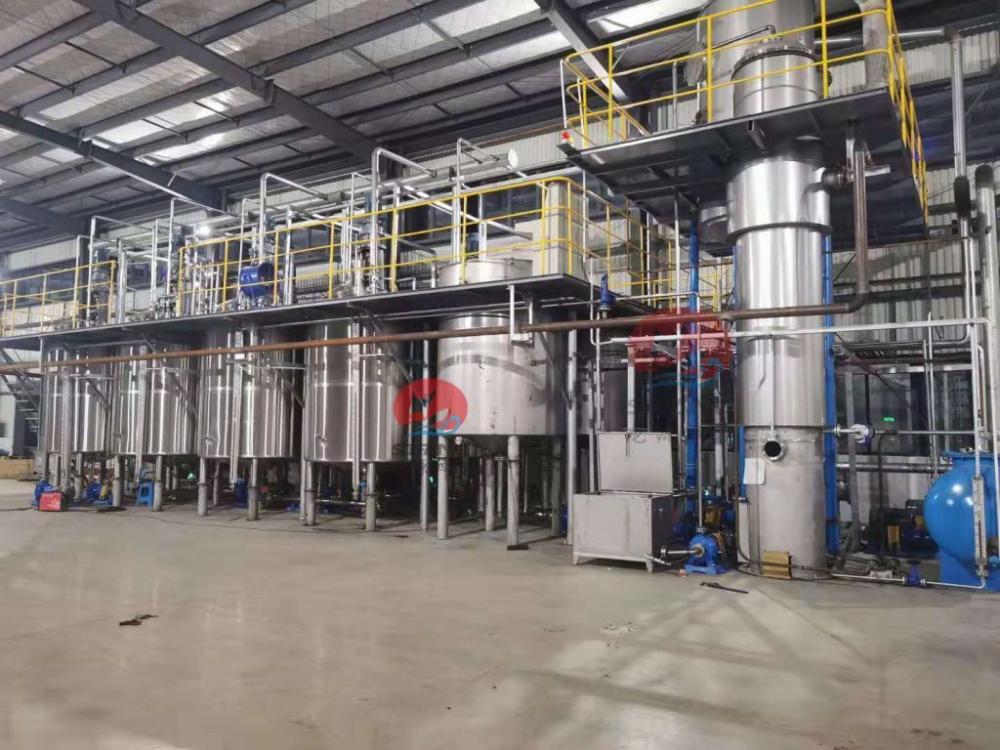
2.2 Coagulation and Filtration
Blood is coagulated using heat or chemical agents, followed by filtration to remove impurities. This stage is critical for poultry blood meal equipment and cattle blood meal plants to meet food safety standards.
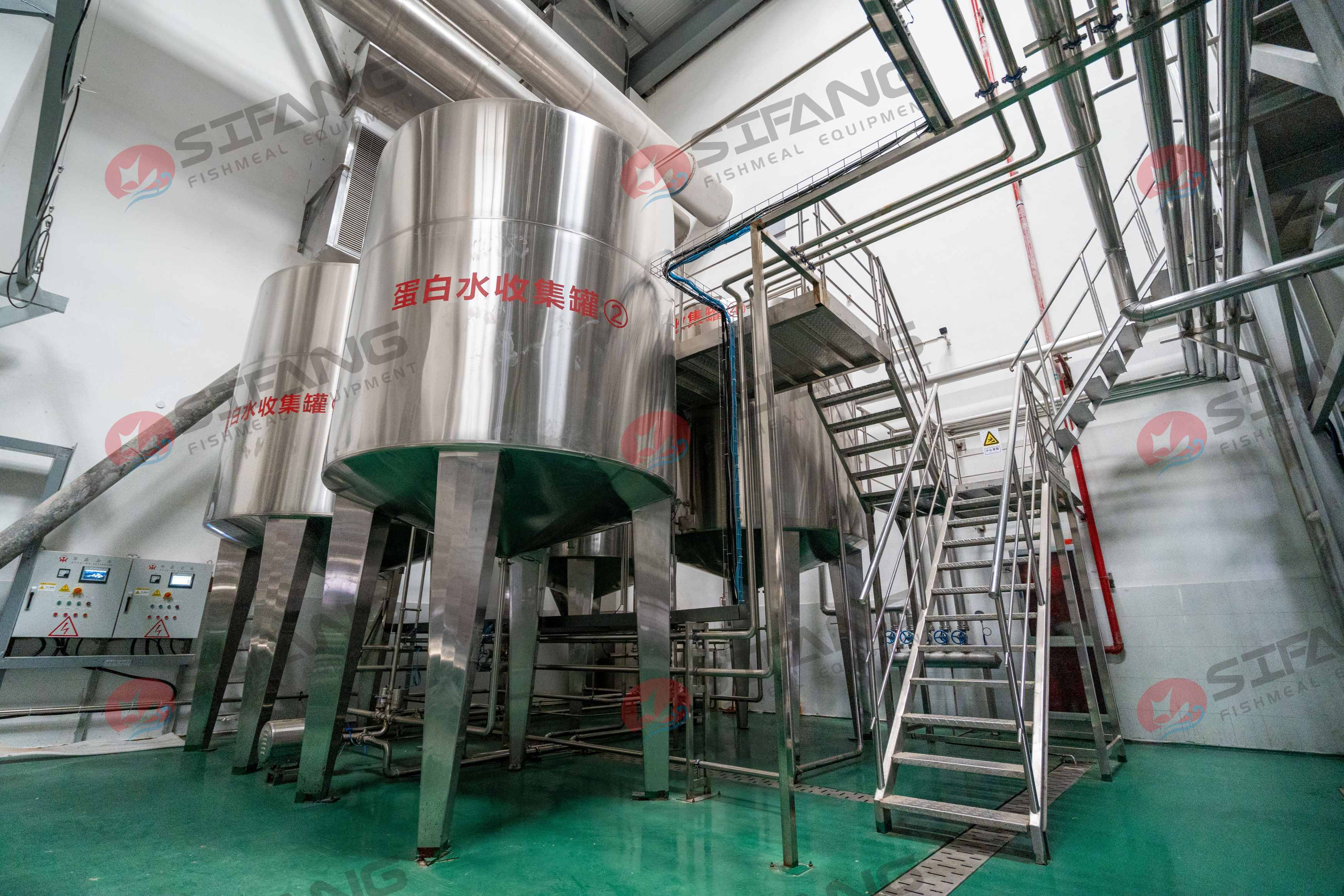
2.3 Drying Technologies
Two primary drying methods dominate the blood powder production line:
- Spray drying: Uses a spray-dried blood meal machine to atomize liquid blood into fine droplets, which are rapidly dried with hot air. This method preserves protein integrity and produces a fine, soluble powder.
- Drum drying: Involves spreading blood onto heated rollers to evaporate moisture. While cost-effective, it may degrade heat-sensitive nutrients.
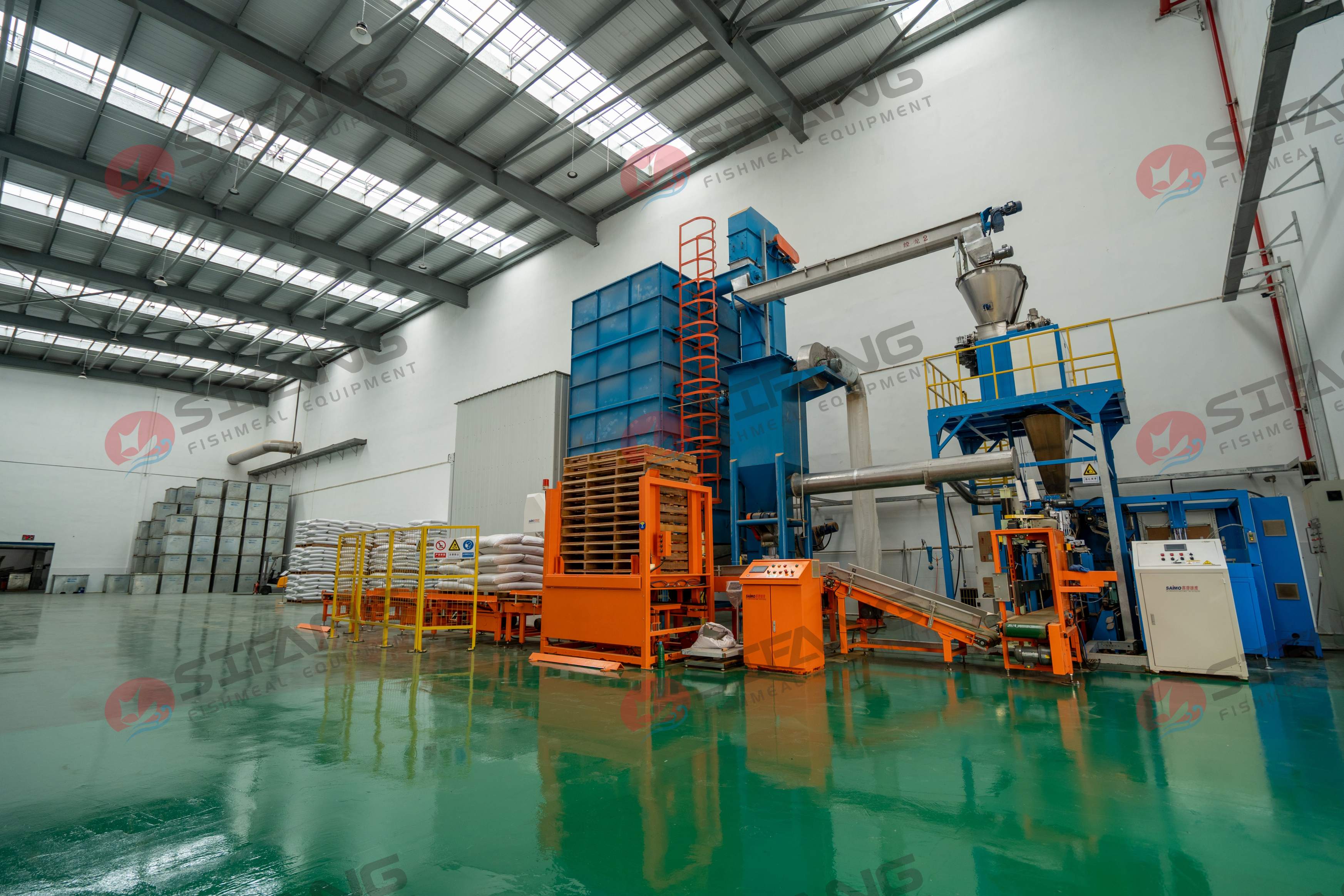
2.4 Grinding and Packaging
Dried blood cake is milled into powder and packaged under sterile conditions. Advanced chicken blood meal plants often employ automated systems for consistency and contamination control.
3. Technological Innovations in Blood Meal Equipment
The industry has shifted from traditional batch processing to fully automated, energy-efficient bovine blood meal processing equipment. Key innovations include:
3.1 Continuous Processing Systems
Modern blood meal production lines use continuous flow systems to reduce energy consumption and improve throughput. For example, poultry blood meal equipment now integrates real-time sensors to monitor temperature and moisture levels.
3.2 Energy-Efficient Drying
Spray-dried blood meal machines now utilize heat recovery systems and renewable energy sources (e.g., biomass boilers) to minimize environmental impact.
3.3 Hygiene and Safety Enhancements
Advanced animal blood drying systems incorporate stainless steel components, CIP (Clean-in-Place) systems, and microbial testing protocols to comply with EU and USDA standards.
3.4 Modular Plant Designs
Customizable chicken blood meal plants and cattle blood meal plants allow scalability, enabling small processors to expand operations without overhauling infrastructure.
4. Market Trends and Regional Demand
4.1 Asia-Pacific: A Growth Hotspot
Countries like China, India, and Thailand are investing heavily in blood meal processing plants due to their large livestock industries and rising demand for aquafeed. For instance, spray-dried blood meal machines are increasingly adopted in shrimp farming to boost protein content in feed.
4.2 Europe and North America: Sustainability Focus
Regulations such as the EU’s Animal By-Products Regulation (ABPR) have pushed manufacturers to adopt eco-friendly blood meal production lines. The U.S. market emphasizes organic fertilizer applications, where blood meal serves as a slow-release nitrogen source.
4.3 Africa and Latin America: Untapped Potential
These regions face challenges in waste management but are beginning to leverage blood meal production lines to convert slaughterhouse waste into export-ready products.
5. Challenges and Opportunities
5.1 Challenges
- Raw material variability: Blood quality depends on animal diet, health, and handling practices.
- High initial investment: Advanced bovine blood meal processing equipment requires significant capital.
- Regulatory compliance: Meeting international standards (e.g., ISO 22000) can slow market entry.
5.2 Opportunities
- Pet food applications: Blood meal’s high protein content is ideal for premium pet diets.
- Organic agriculture: Demand for chemical-free fertilizers is driving blood meal use in crop farming.
- Emerging technologies: Research into enzymatic hydrolysis and microencapsulation could expand blood meal’s functional properties.
6. Case Study: A Modern Chicken Blood Meal Plant
A leading poultry processor in Brazil recently upgraded its chicken blood meal plant with a fully automated spray-dried blood meal machine. The results were transformative:
- Productivity increased by 40%.
- Energy consumption dropped by 25%.
- Protein retention improved to 88%, meeting EU export standards.
This case highlights how adopting cutting-edge animal blood drying systems can unlock profitability and sustainability.
7. Future Outlook
The blood meal industry is poised for growth, driven by:
- Circular economy initiatives: Converting waste into value-added products.
- Automation adoption: AI-driven control systems for real-time process optimization.
- Global partnerships: Collaborations between equipment manufacturers (e.g., Longyuan SIFANG) and slaughterhouse operators to streamline supply chains.
As blood meal production lines become more efficient and eco-friendly, they will play a pivotal role in addressing global food security and environmental challenges.
Conclusion
The blood meal industry exemplifies the synergy between innovation and sustainability. From bovine blood meal processing equipment to spray-dried blood meal machines, technological advancements are reshaping how we extract value from animal by-products. Whether in chicken blood meal plants or large-scale cattle blood meal plants, the future of this sector lies in integrating precision engineering, environmental stewardship, and market responsiveness.
Keywords: Blood meal production line, Chicken blood meal plant, Bovine blood meal processing equipment, Animal blood drying system, Spray-dried blood meal machine, Blood meal processing plant, Blood powder production line, Poultry blood meal equipment, Cattle blood meal plant